Her memoir was the spark. Netflix just lit the fuse.
What began as Virginia Giuffre’s personal account of abuse and survival has transformed into one of the boldest media undertakings of the decade — a Netflix series that promises not just to expose, but to dismantle the machinery of power, privilege, and silence that has shielded the untouchable for years. This isn’t simply a dramatization of a scandal. It’s a cultural reckoning disguised as television.
And at the center of it all is a woman who refused to be erased.
The Survivor Who Shook the World
For much of her life, Virginia Giuffre existed as a shadow in someone else’s story. Her name was buried in sealed documents, her experiences dismissed as “unverified claims,” her credibility attacked by forces with nearly unlimited resources. But when she chose to tell her story in her memoir, she took back authorship of her life — and, in doing so, cracked open the walls that shielded the world’s elite.
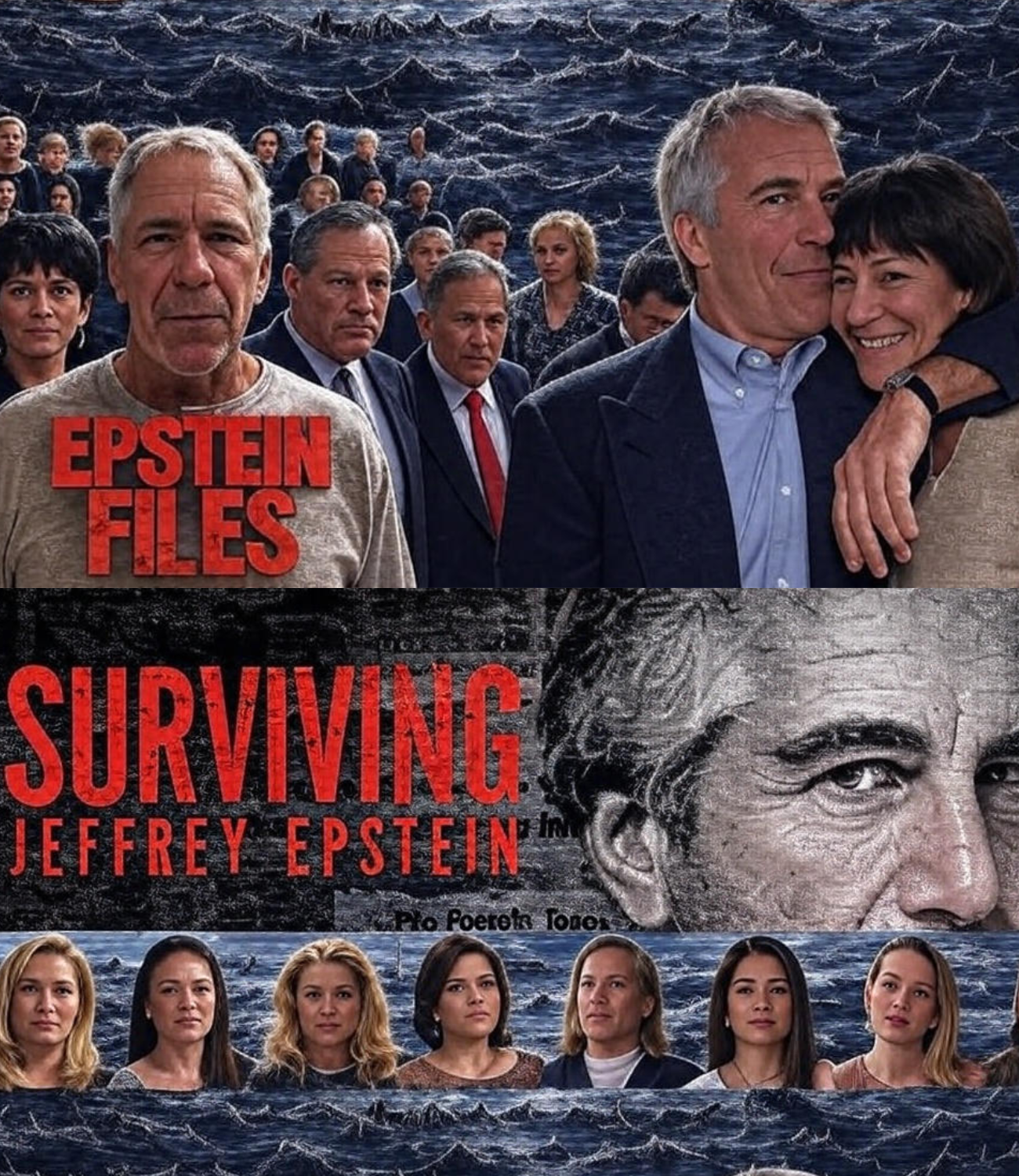
Giuffre’s memoir, which recounts her recruitment as a teenager into the orbit of Jeffrey Epstein and the powerful men surrounding him, is not just a narrative of abuse; it’s a map of how power functions. It shows how connections, money, and influence can rewrite morality and how entire institutions can collude to protect reputations instead of victims.
Her words were not written for sympathy — they were written as a challenge. And Netflix has accepted it.
From Memoir to Movement: The Making of “Unbound”
Netflix’s adaptation, reportedly titled Unbound, is shaping up to be one of the most controversial and ambitious projects in its history. Early reports describe the series as a hybrid between psychological drama, investigative thriller, and social exposé. Rather than focusing solely on Epstein, it aims to expose the ecosystem that enabled him — the lawyers, financiers, socialites, and politicians who helped him operate in plain sight.
Behind the cameras, a team of investigative journalists, survivors, and legal experts reportedly worked alongside the writers to ensure accuracy and authenticity. Every frame, they say, is meant to blur the boundary between narrative and evidence.
“This isn’t just about Virginia’s story,” said one producer in an early interview. “It’s about the system that allowed her story to exist at all.”
Netflix’s choice to adapt Giuffre’s memoir is both strategic and symbolic. In an era where corporations are often accused of sanitizing difficult truths, the streaming giant seems to be doing the opposite — stepping directly into the storm.
The Cinematic Language of Truth
The series reportedly uses a nonlinear storytelling approach — shifting between Virginia’s teenage years and her present-day advocacy — juxtaposing moments of innocence with scenes of corruption so grotesque it feels almost fictional. But it’s not.
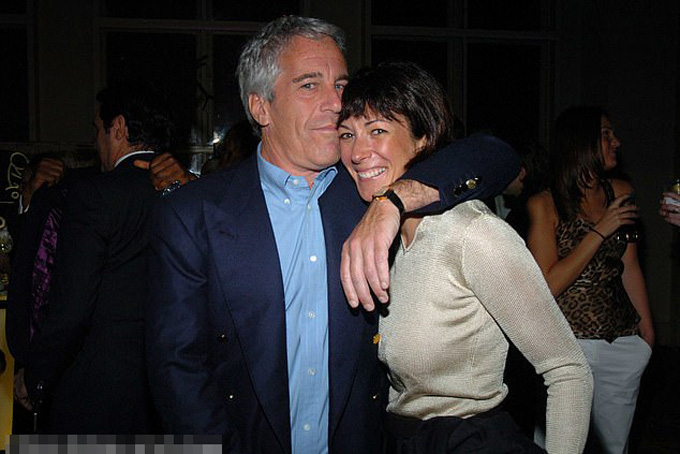
Each episode is structured to peel back another layer of complicity: the lawyers who brokered settlements, the journalists pressured to bury stories, the socialites who looked away. Viewers are meant to feel the suffocating weight of a world where silence was currency.
“The camera doesn’t just tell her story,” says one insider. “It indicts an entire culture.”
In a chilling artistic choice, the show allegedly incorporates snippets of real-world media coverage, court footage, and archival audio — reminding the audience that this isn’t history. It’s reality, ongoing and unresolved.
The Unseen Network: How Power Protects Itself
To understand why Giuffre’s memoir and its adaptation matter so deeply, one must understand the structure she’s up against.
For decades, elites operated within invisible but impenetrable circles. Politicians, billionaires, and royals shared a code — a silent understanding that scandal could be managed if everyone played along. Lawyers negotiated confidentiality agreements that served as legal muzzles. Publicists rewrote history before it could reach the front page. And victims, stripped of credibility, disappeared from public memory.
Giuffre’s story threatens to break that cycle because it doesn’t just name names — it names systems.
The Netflix series reportedly dedicates entire episodes to exploring how money buys silence: the non-disclosure agreements, the manipulation of legal loopholes, and the deliberate confusion between “consent” and coercion.
It’s an anatomy of control — and a dissection of the moral rot that festers when accountability dies in the shadow of influence.
The Backlash Has Already Begun
Even before filming wrapped, whispers of discomfort circulated through the corridors of power. Legal representatives for several figures rumored to be depicted have already issued statements distancing their clients from the project. Certain organizations, reportedly including a major European media conglomerate, have privately threatened to cut business ties with Netflix if the show airs without edits.
But the streaming platform appears unmoved. “We are not here to protect the powerful,” one executive reportedly said. “We’re here to protect the truth.”

Virginia Giuffre herself has publicly praised the production’s courage, calling it “a necessary confrontation with history.” Yet she also acknowledged the emotional toll of reliving those memories:
“This story isn’t about pain anymore,” she said. “It’s about purpose. If I have to burn through the past to light the way forward, I will.”
A Mirror for Society
Beyond the sensational headlines, Unbound raises an urgent question: Why do we, as societies, allow power to excuse cruelty?
Every era has its scandals — but only some become catalysts for change. This series, through Giuffre’s lens, doesn’t merely document abuse; it exposes our collective complicity in enabling it. The teachers who ignored signs. The journalists who didn’t push hard enough. The public that treated victims as entertainment rather than witnesses.
It challenges the myth that evil is always monstrous. More often, it’s polished, polite, and smiling at charity galas.
And in that recognition lies the true discomfort of Giuffre’s story: it forces us to see not only what was done to her, but what was tolerated by all of us.
The Cultural Impact: When Entertainment Becomes Evidence
If Netflix succeeds in blending documentary truth with dramatized storytelling, Unbound could redefine what streaming media can do. It could turn entertainment into evidence — forcing public discourse to revisit questions that governments, tabloids, and courts have avoided for years.
Already, human rights organizations are planning watch parties and discussion panels timed with the release. Legal experts are calling it “a potential cultural trigger,” similar to how Spotlight or When They See Us shifted public opinion and policy.
But this series carries an even heavier weight — because it targets an elite global network, not a single institution.
In many ways, Netflix is gambling its reputation on one idea: that the public is finally ready to see what’s been hidden in plain sight.
A Revolution in Real Time
The series’ release will likely ignite a storm of lawsuits, smear campaigns, and political uproar. But regardless of the fallout, something irreversible has already happened.

Virginia Giuffre, once silenced, is now a storyteller commanding the world’s attention. Her journey from victim to advocate mirrors a larger cultural awakening — one where survivors no longer whisper and institutions no longer dictate the narrative.
And as her words reach millions of screens, the symbolism is impossible to miss: the same media once used to suppress her truth is now amplifying it.
“This isn’t just exposure,” reads one of the series’ taglines. “It’s revolution on film.”
The walls that once protected the powerful are beginning to crumble.
The Lasting Echo
In the end, Unbound is more than a show — it’s a mirror held up to humanity’s most uncomfortable truths. It asks what justice means in a world where wealth bends morality, and whether transparency can ever truly exist when secrets are currency.
Virginia Giuffre’s story is no longer confined to courtrooms or headlines. It’s now part of global consciousness — a reminder that silence, no matter how well-funded, cannot last forever.
When the series finally airs, it will not just retell history. It will demand accountability from those who wrote it — and those who looked away.
Because this time, the truth isn’t whispered.
It’s streaming.
Everywhere.